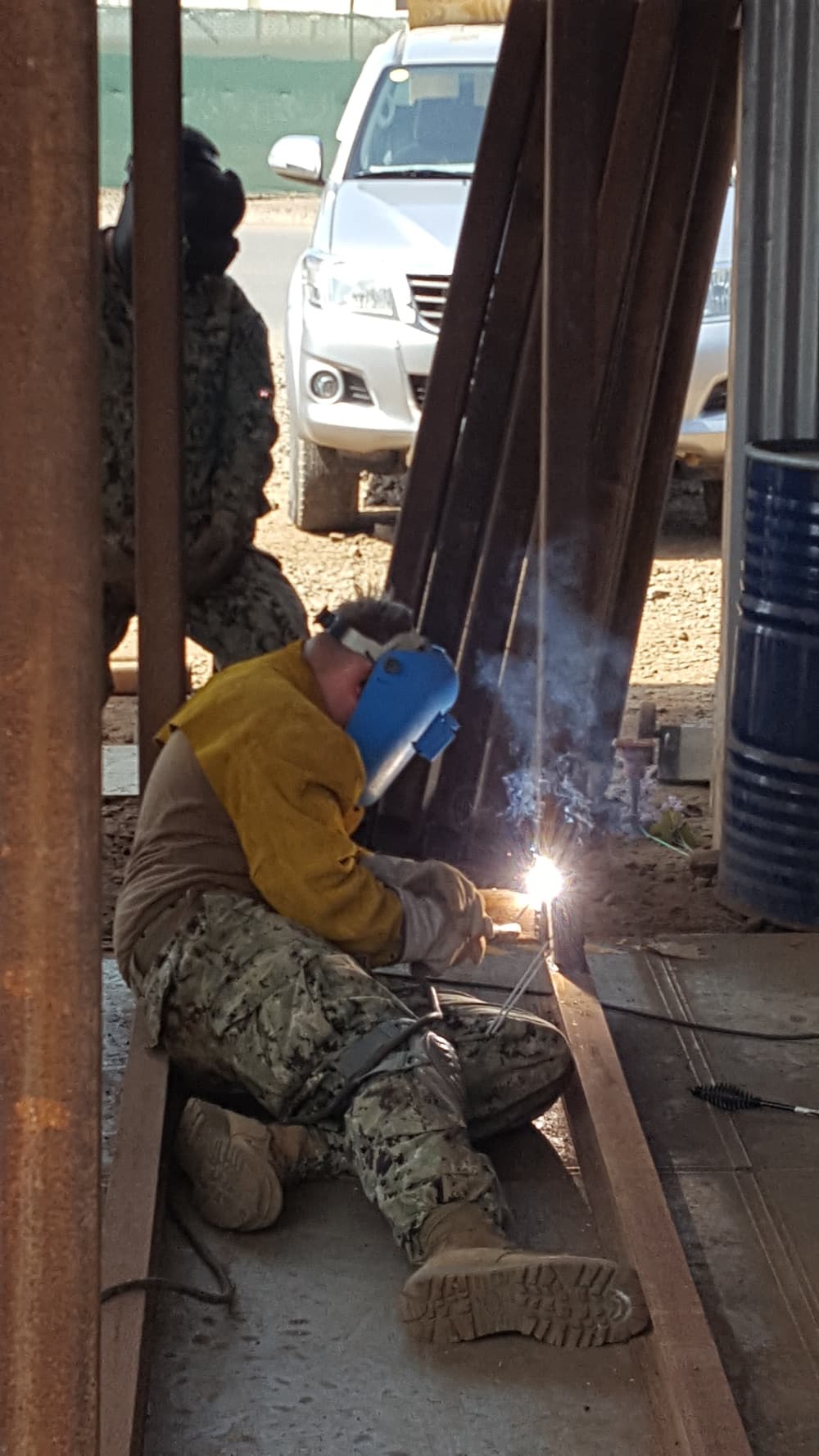
Steelworker
Fabricates and erects steel structures for Seabee construction projects.
Overall
Quick Stats
Security Clearance
None
This rate does not require a security clearance.
ASVAB Requirements
Who This Is Best For
Best for welders and structural workers who want to build real structures in challenging locations around the world. Certified welding skills are in high demand in civilian construction, shipbuilding, and industrial fabrication. If you enjoy ironwork and want a tangible trade with global deployment experience, this rate delivers both skills and adventure.
+Pros
- ✓Strong civilian career transition
–Cons
Real Opinions
+Positive
“Steelworkers and ironworkers unions actively recruit former Navy SWs. The transition to civilian work is seamless.”
“You learn welding, structural steel work, and reinforcement. The AWS certifications you earn are gold in the civilian world.”
“Seabees are the best-kept secret in the Navy. Great deployments, real skills, and you actually build stuff.”
–Critical & Mixed
“The work is hot, physically demanding, and dangerous. You are welding and cutting steel in all conditions.”
“Deployments can be to some rough locations. And you are still in the Navy, so expect Navy nonsense on top of the construction work.”
“As a Steelworker you'll mostly be doing Builder work with some occasional welding. You don't do as much welding as you'd expect unless you go to some specialty schools. The advancement bottleneck is real — same slow promotion story as every Seabee rate. The 5-year enlistment obligation is a long commitment.”
“Steelworker translates to well-paid, unionized civilian work if you get out, but while you're in, the advancement opportunities are miniscule. Three Seabee rates had to be combined at the senior chief level just to create enough billets for promotion, which tells you everything about how clogged the advancement pipeline is.”
Recruiter vs Reality
What the recruiter says vs. what it's actually like.
🫡 Recruiter says
“Seabees travel the world building things and have great quality of life!”
💀 Reality
Source: MyNavyRates researchQuality of life is generally good but deployments to austere locations (desert, jungle) are common. You will do real construction but also a lot of maintenance and military duties.
🫡 Recruiter says
“Steelworkers fabricate metal structures.”
💀 Reality
Source: veteran feedbackSW does structural steel work, welding, and reinforcement. The skills are valuable but the work is physically demanding in harsh field conditions during Seabee deployments.
🫡 Recruiter says
“You'll learn to weld and fabricate steel structures — a highly marketable trade.”
💀 Reality
A-school gives you 11 weeks of basic welding. Civilian AWS certifications require additional testing the Navy doesn't provide. You'll know how to weld, but you won't have the certs civilian shops require.
🫡 Recruiter says
“Steelworkers build metal structures and bridges on exciting projects.”
💀 Reality
During homeport, most days are maintaining welding equipment and doing practice welds. On deployment, a lot of work is rebar tying for concrete pours and basic metal frames, not dramatic structural steel.
🫡 Recruiter says
“It's a rewarding hands-on trade that keeps you active.”
💀 Reality
Steelworking is physically punishing. Welding in full PPE in extreme heat, grinding metal with sparks, carrying heavy steel sections. Burns and eye strain are occupational hazards. Your body will feel every year by mid-career.
🫡 Recruiter says
“Steelworker is a unique specialty that sets you apart in the Seabees.”
💀 Reality
SW is one of the smaller Seabee rates — limited billets, limited assignment options, and minimal advancement quotas. Being "unique" also means being overlooked for career opportunities.
🫡 Recruiter says
“On deployment, you'll fabricate custom steel structures for real-world projects.”
💀 Reality
Deployed welding often means field repairs, building force protection barriers, and fabricating whatever the battalion needs — not elegant structural work. You're welding in a tent dealing with wind, dust, and whatever materials supply sent.
🫡 Recruiter says
“You'll spend your time in the steel shop focusing on your craft.”
💀 Reality
You're a Seabee first and a welder second. Convoy ops, perimeter security, weapons quals, and field exercises eat into your shop time constantly. Some weeks you won't touch a welding torch.
🫡 Recruiter says
“Navy Steelworkers easily transition into high-paying civilian welding careers.”
💀 Reality
Civilian structural steel and pipe welding shops require AWS certifications the Navy doesn't provide. Union ironworker apprenticeships have their own requirements. Plan on investing in civilian certifications.
Training Pipeline — Total ~18 weeks (4 months)
Ship Date Calculator
Enter your MEPS ship date to see when you'll complete each stage.
Promotion SpeedEarn higher pay fasterSlowManning 85%
| Cycle (Year) | Eligible | Selected | Promotion % |
|---|---|---|---|
| E-4252-Spring(2024) | 59 | 24 | 41% |
| E-4252-Fall(2024) | 54 | 19 | 35% |
| E-5252-Spring(2024) | 173 | 42 | 24% |
| E-5252-Fall(2024) | 178 | 23 | 13% |
| E-6252-Spring(2024) | 53 | 8 | 15% |
| E-6252-Fall(2024) | 133 | 17 | 13% |
Bonuses — Click here to see your military pay
Enlistment Bonus
No active bonus for this rate
You May Qualify for a Navy Enlisted Classification (NEC)
Specialties within this rate you can select, some with additional compensation. Each NEC has its own training, bonus potential, and career path.
Primary specialty code for Steelworker rating
Advanced specialty code for experienced Steelworker personnel
Potential Civilian Post-Navy Outcomes
Structural Ironworker
Transferability: 8/10
$45k–$75k
Lifestyle7/10
Ship vs. Shore Split
35% / 65%
Deployment Frequency
Moderate
Physical Demand
high — outdoor
Watch Standing
Standard workday in garrison, rotating security watch deployed
Watch standing is a 24-hour duty rotation where sailors take turns manning critical positions aboard the ship or at their command. The rotation determines how frequently you stand watch and how much rest time you get between shifts.
Watch qualifications vary by command and platform. Expect to qualify within 90 days of reporting.
Common Duty Stations
—
Schools + spouse jobs
—
Avg waitlist for on-base
155
100 = national avg
—
Schools + spouse jobs
—
Avg waitlist for on-base
125
100 = national avg
—
Schools + spouse jobs
—
Avg waitlist for on-base
80
100 = national avg