Hospital Corpsman
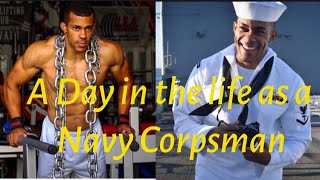
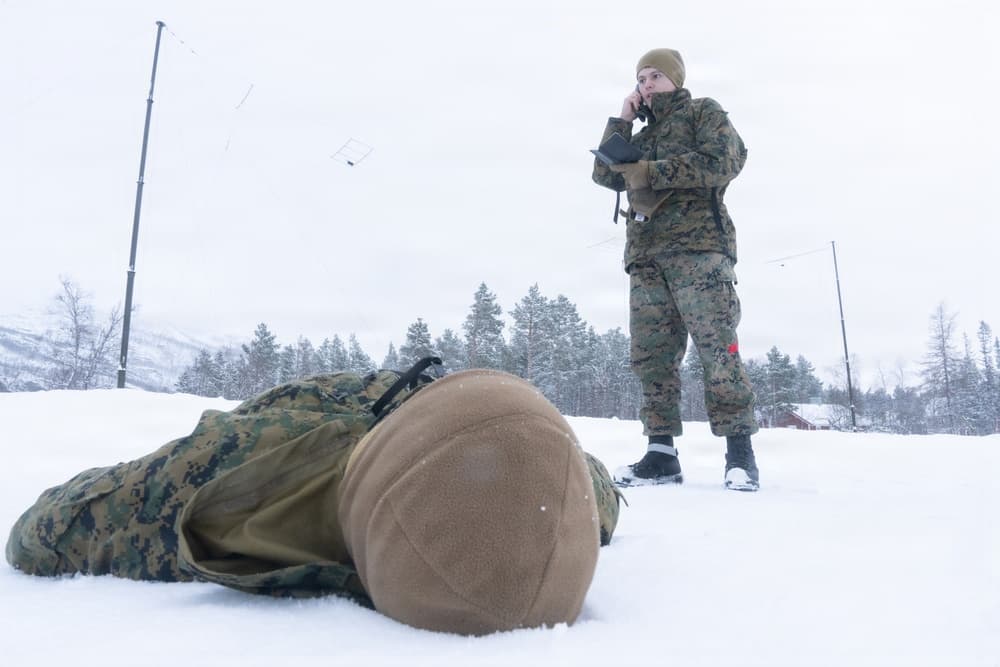
Hospital Corpsmen provide medical care to Navy and Marine Corps personnel. HMs work in hospitals, clinics, dental offices, aboard ships, and with Marine units in the field. Duties range from taking vitals and administering medications to performing minor surgical procedures and providing emergency battlefield medicine.
Overall
Quick Stats
Security Clearance
None
This rate does not require a security clearance.
ASVAB Requirements
Who This Is Best For
Best for individuals passionate about healthcare who want the broadest range of clinical experience available in any military branch. The trade-off is slower promotion due to the Navy's largest and most competitive community, but the breadth of patient care hours is unrivaled — counting toward nursing, PA, paramedic, and other healthcare certifications. Ideal for someone willing to trade faster advancement for unmatched medical experience.
+Pros
- 0
- ✓Strong civilian career transition
–Cons
Real Opinions
+Positive
“The medical training you receive is outstanding. EMT, phlebotomy, pharmacy tech — you come out with real certifications.”
“If you go greenside with the Marines, it is the most rewarding experience in the military. Your Marines will treat you like family.”
“Being a corpsman with the Marines was the hardest and most rewarding thing I have ever done. Would not trade it.”
“The clinical hours you get as an HM are impossible to replicate in the civilian world without spending years in school first.”
–Critical & Mixed
“HM is the most oversaturated rate in the Navy. Advancement is brutal. You can be stuck at E-3 for years.”
“Advancement is brutal. I know E-4s with 8 years in. If you are okay with slow promotion, the job itself is great.”
“The NEC you pick matters more than the rate itself. Flight medic vs clinic corpsman are completely different careers.”
“Amazing experience but promotion is brutally slow. Be prepared to be an E-4 for a long time.”
Recruiter vs Reality
What the recruiter says vs. what it's actually like.
🫡 Recruiter says
“You'll be saving lives and doing real medical work”
💀 Reality
Source: r/corpsmanupMost HMs spend their first few years doing vitals checks, cleaning, and admin work at a clinic. Combat medic roles require NEC schools that are competitive to get into.
🫡 Recruiter says
“Corpsman is the most respected rate in the Navy”
💀 Reality
Source: Navy advancement dataHM is massively overmanned, which means slow promotions. Many HMs spend 6+ years as E-3/E-4. Respect doesn't pay the bills.
🫡 Recruiter says
“You'll be saving lives on the battlefield like a combat medic”
💀 Reality
Source: r/navyMost HMs work in clinics and hospitals doing vitals, shots, and paperwork. Only a small percentage go FMF (Fleet Marine Force) and even fewer see combat medicine. The majority of your career is clinical — not tactical.
🫡 Recruiter says
“HM is the fastest way to become a nurse or PA”
💀 Reality
Source: r/newtothenavyHM experience is valuable, but you still need a degree. Your clinical hours may count toward some programs, but many nursing and PA schools don't accept military experience as direct credit. You'll still spend years in school after getting out.
🫡 Recruiter says
“You'll promote fast because medical is always in demand”
💀 Reality
Source: GlassdoorHM is the most overmanned rate in the Navy. Promotion to E-5 can take 6-8 years. You will be an E-4 for a very long time. The advancement rate for HM is consistently one of the lowest in the fleet. If fast promotion matters to you, pick a different rate.
🫡 Recruiter says
“You'll save lives every day as a Hospital Corpsman.”
💀 Reality
Source: sailor forumsMost HMs spend their first years doing sick call (colds, ankle sprains) and filling out medical records. Combat medicine is only for FMF-assigned Corpsmen, which is competitive to get.
🫡 Recruiter says
“HM is perfect if you want to be a nurse or doctor after the Navy.”
💀 Reality
Source: veteran feedbackThe HM rating gives you clinical exposure but not a nursing degree. You still need to complete a full nursing program after separation. The GI Bill helps, but it is not automatic.
🫡 Recruiter says
“You'll be a combat medic saving lives with the Marines on the front lines.”
💀 Reality
Most corpsmen go blueside to hospitals and clinics where the daily grind is taking vitals, filing paperwork, and restocking supplies. Getting a greenside FMF billet is competitive, not guaranteed.
🫡 Recruiter says
“Hospital Corpsman is the most popular rate in the Navy — you'll love it!”
💀 Reality
Popular means overmanned. HM is the largest rating in the Navy, and advancement rates to E-5 and E-6 are consistently among the worst in the fleet.
🫡 Recruiter says
“You can specialize in surgical tech, radiology, physical therapy — whatever you want.”
💀 Reality
NECs are assigned based on needs of the Navy, not your wishlist. Many corpsmen spend their entire first enlistment as general duty HMs doing sick call, immunizations, and medical records without touching a specialty.
Training Pipeline — Total ~45 weeks (10 months)
Ship Date Calculator
Enter your MEPS ship date to see when you'll complete each stage.
Promotion SpeedEarn higher pay fasterSlowManning 100% (Overmanned)
| Cycle (Year) | Eligible | Selected | Promotion % |
|---|---|---|---|
| E-4254(2025) | 800 | 280 | 35% |
| E-4253(2024) | 790 | 272 | 34% |
| E-5254(2025) | 650 | 120 | 18% |
| E-5253(2024) | 640 | 115 | 18% |
| E-6254(2025) | 350 | 42 | 12% |
| E-6253(2024) | 340 | 39 | 11% |
Bonuses — Click here to see your military pay
Enlistment Bonus
Effective: 2026-01-01
Bonus by Contract Length
Contract
No active bonus
How to Qualify
- Sign a contract for this rate at MEPS — bonus eligibility is locked at the time of contract signing
- Ship to boot camp and successfully complete Recruit Training Command (RTC) at Great Lakes, IL
- Complete A-School and any required follow-on training in the HM pipeline
- Receive your rate assignment and report to your first duty station
- Bonus is typically paid in installments — 50% after completing training, remainder in anniversary payments
Important Details
- •Longer contracts receive higher bonus amounts
- •Bonus amounts are subject to federal income tax withholding (typically 22%)
- •If you fail to complete training or are separated early, you may be required to repay a prorated portion
- •Bonus availability and amounts change frequently based on Navy manning needs — confirm with your recruiter
You May Qualify for a Navy Enlisted Classification (NEC)
Specialties within this rate you can select, some with additional compensation. Each NEC has its own training, bonus potential, and career path.
Emergency medical care in SAR operations
Flight medicine and aeromedical evacuation
Combat medic serving with Marine Corps units
Performs dental cleanings, takes dental X-rays, applies fluoride treatments, and educates patients on oral health.
Fabricates dental prosthetics including crowns, bridges, dentures, and orthodontic appliances.
Operates diagnostic imaging equipment including X-ray, CT, and fluoroscopy. Produces diagnostic-quality radiographs.
Performs blood chemistry, hematology, microbiology, blood bank, and urinalysis testing in clinical laboratory settings.
Assists surgeons in the operating room. Prepares instruments, maintains sterile field, and manages surgical equipment.
Serves as the sole medical provider aboard submarines. Performs sick call, minor surgery, dental emergencies, and pharmacy management independently.
Advanced diving medical specialist. Manages recompression chambers and treats severe diving casualties.
Fabricates and dispenses corrective lenses. Performs visual acuity testing and assists ophthalmologists with eye exams.
Performs EEG, EMG, and nerve conduction studies. Monitors brain activity during surgery and diagnoses neurological conditions.
Basic FMF qualification. Trained in Marine Corps tactics, field medicine, and combat casualty care.
Dispenses medications, maintains pharmacy inventory, compounds prescriptions, and counsels patients on drug interactions.
Serves as senior medical authority on ships without a Medical Officer. Manages sick bay, medical records, and emergency trauma.
Assists occupational therapists with patient rehabilitation. Implements treatment plans for injured service members.
Performs EKGs, cardiac stress tests, Holter monitoring, and assists with cardiac catheterization procedures.
Maintains and repairs medical equipment including X-ray machines, ventilators, patient monitors, and lab analyzers.
Conducts disease surveillance, food/water safety inspections, pest management, and occupational health assessments.
Plans therapeutic diets, conducts nutritional assessments, and manages food service operations in medical treatment facilities.
Enrolled in the Navy Nurse Corps advanced education program while maintaining HM duties.
Embedded with Marine Recon units. Combat trauma care, parachute qualified, advanced tactical medicine.
Provides medical support for diving operations. Trained in hyperbaric medicine, dive physics, and treatment of dive-related injuries.
Provides mental health screenings, crisis intervention, suicide prevention, and assists psychologists/psychiatrists with patient care.
Assists physical therapists with patient rehabilitation. Implements exercise programs and therapeutic modalities.
Manages ventilators, administers breathing treatments, performs pulmonary function tests, and provides airway management.
Provides medical support for special operations forces. SERE trained, jump qualified, combat diver.
Potential Civilian Post-Navy Outcomes
Emergency Medical Technician
Transferability: 6.5/10
$35k–$55k
Medical Assistant
Transferability: 7/10
$33k–$45k
Free Certifications & Credentials
Certifications and licenses the Navy will pay for free through Navy COOL and on-the-job training.
EMT-Basic
NREMT
Paramedic (EMT-P)
NREMT
Phlebotomy Technician
ASCP
CNA
State Board
Certified Nursing Assistant
State Board
Pharmacy Technician (CPhT)
PTCB
Lifestyle6/10
Ship vs. Shore Split
40% / 60%
Deployment Frequency
High
Physical Demand
high — mixed
Watch Standing
4-section in port, 3-section underway
In a 4-section rotation, the crew is divided into four teams. Each team stands a 6-hour watch shift, then has 18 hours off before their next watch. In port, you stand 24-hour duty roughly every 4 days — meaning you stay aboard the ship overnight on your duty day.
Sick call watch; battle dressing station underway; Marine units run 24hr rotations
Common Duty Stations
—
Schools + spouse jobs
—
Avg waitlist for on-base
95
100 = national avg
—
Schools + spouse jobs
—
Avg waitlist for on-base
135
100 = national avg
—
Schools + spouse jobs
—
Avg waitlist for on-base
92
100 = national avg